
How to care for x-ray aprons? Cleaning, storage, and maintenance
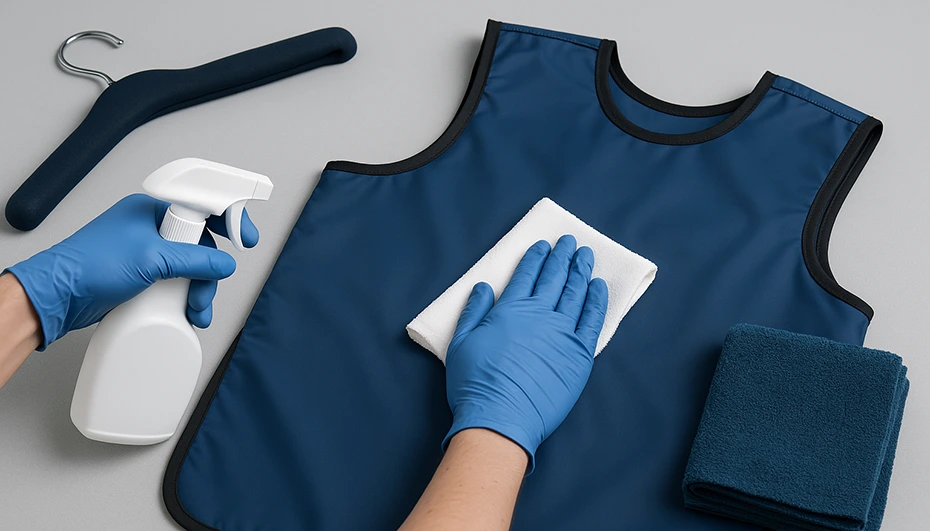
X-ray aprons are an essential element of daily work in diagnostic imaging labs, dental and veterinary clinics, and anywhere medical staff and patients are exposed to ionizing radiation. Their primary role is to protect the user from the harmful effects of X-rays, which is why it’s crucial that they retain their protective properties throughout their usage period. Unfortunately, it’s often forgotten that even the best X-ray aprons can lose their effectiveness not due to wear, but due to improper use, storage, or cleaning. This article presents a comprehensive guide to help extend the lifespan of radiation protection clothing while increasing user safety. This way, you not only save money but also ensure compliance with applicable regulations and radiation protection standards.
Why is proper X-ray apron maintenance so important?
Purchasing high-quality protective clothing is an investment intended to last for years. However, its durability and effectiveness are directly tied to the user’s daily practices. Even the most well-made personal protective equipment, such as X-ray aprons, can quickly deteriorate if improperly stored, folded, or cleaned with unsuitable products. Mechanical damage, micro-cracks in the protective layer, or deformations in the internal structure are just a few of the issues that may occur. Moreover, many facilities carry out regular technical inspections of X-ray aprons, and non-compliance with standards can result in immediate replacement requirements.
From both an economic and professional responsibility standpoint, it is worth maintaining aprons in a way that ensures their longevity and continued protective function.
How to clean an X-ray apron?
What to avoid?
One of the most common mistakes in X-ray apron care is washing the apron in a washing machine. While it may seem harmless, this can completely destroy the protective material. Equally dangerous are cleaning agents containing alcohol, bleach, or chlorine, which damage the vinyl surface and affect the flexibility of the internal material. Similarly, drying the apron on a radiator or exposing it to direct sunlight is harmful.
How and with what to clean an X-ray apron?
For everyday X-ray apron cleaning, it is recommended to use mild agents designed for vinyl surfaces along with soft cloths or sponges that do not scratch. Warm, but not hot, water combined with a neutral detergent allows safe removal of dirt from the surface without affecting the protective layer. After cleaning, allow the apron to dry in the shade, preferably while hanging.
Regular cleaning not only improves aesthetics and hygiene but also prevents the buildup of substances that could, over time, affect the durability of the protective material.
How often should the apron be cleaned?
Cleaning frequency depends on usage intensity, but in general, the X-ray apron should be wiped down:
- after each contact with bodily fluids,
- at least once a week with regular use,
- immediately, if heavily soiled.
How to store an X-ray apron?
Why should you never fold an apron?
Folding an X-ray apron is one of the most common user mistakes. While it may seem convenient, it leads to permanent damage to the protective layer, which is usually made of lead or alternative composite materials. Creases cause micro-cracks invisible to the naked eye but significantly reduce the effectiveness of radiation protection.
What are the proper storage rules?
The best solution is to store the apron hanging on a dedicated hanger. These hangers have appropriately wide shoulders that evenly distribute the apron’s weight, preventing deformation. They should be stable, moisture-resistant, and made of materials that do not react with vinyl. Such accessories can be found in the Coradika – X-ray Apron Hanger offer.
When transporting aprons, it’s worth using dedicated covers or bags that allow safe carrying without the risk of folding. These products are lightweight, breathable, and made of materials resistant to mechanical damage.
Additionally, proper storage conditions should be ensured. The temperature should be room temperature, without extreme fluctuations. The apron should not be exposed to direct sunlight, moisture, or stored near heat sources.
Maintenance and regular inspection of X-ray aprons
Regular technical inspection of X-ray aprons is not only good practice but also a requirement of regulations. Depending on internal facility procedures, inspections are recommended every 6–12 months. These checks may include visual assessments, tactile tests, and radiation-based diagnostics—most often fluoroscopy.
To facilitate management, it’s worth keeping a record of used protective clothing, noting purchase dates, inspections, and any service interventions. If damage is found, the apron must no longer be used. Even minor cracks disqualify it from further use, and damaged items should be disposed of according to regulations.
Read more in the article: X-ray Apron Expiry Date – When to Replace It?
Accessories that increase the durability of X-ray aprons
Proper care of protective clothing involves not only regular cleaning and inspection but also using accessories that extend its longevity. These include hangers, mobile stands, or special cabinets that store multiple aprons at once. Such equipment helps maintain order and ensures each piece is stored in optimal conditions.
Common mistakes in X-ray apron care
The most common mistakes include:
- folding the apron in half,
- cleaning with strong detergents or alcohol,
- drying on a radiator,
- lack of service documentation,
- storing in places exposed to UV radiation or moisture.
In conclusion – key takeaways
Daily care of X-ray aprons is essential to their durability and protective effectiveness. By following simple cleaning, storage, and maintenance rules, we can significantly extend their lifespan and ensure safe work with ionizing radiation. It’s also worth investing in suitable accessories that support proper storage and organization. This approach offers not only financial benefits but also demonstrates professionalism and responsibility in daily patient care.


