
How to choose the right x-ray apron? Key selection criteria
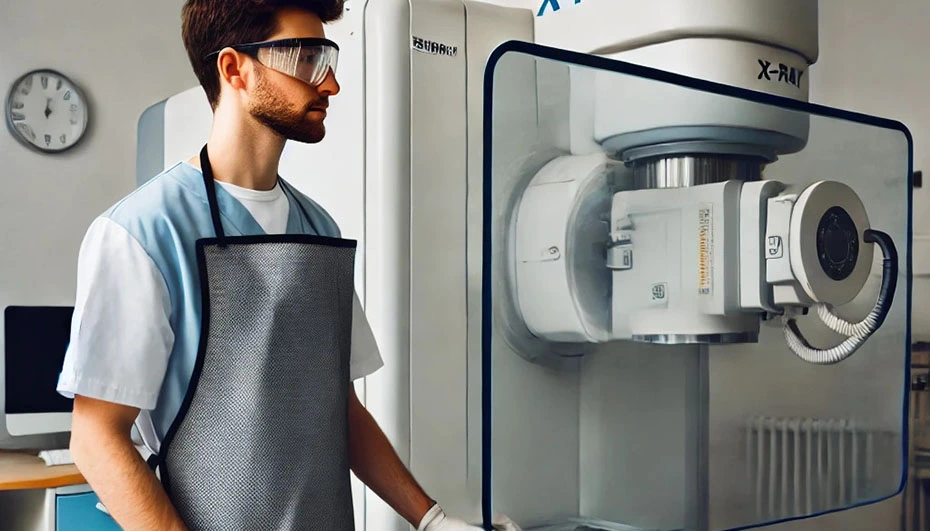
Radiation protection is crucial in the work of many specialists, such as radiologists, radiology technicians, veterinarians, and dental professionals. The X-ray apron is one of the key components of personal protective equipment (PPE) designed to limit exposure to ionizing radiation. By using an X-ray apron, individuals working in these environments can reduce the health risks associated with prolonged radiation exposure.
Choosing the right apron is extremely important because it not only provides protection from radiation but also influences work comfort. A poorly selected apron can lead to fatigue, back pain, and may fail to meet radiological safety standards. So, how should you choose the right model that is both functional and comfortable?
Types of x-ray aprons – How to choose the right model?
1. Single-Sided X-ray Aprons – Basic Protection
Single-sided x-ray aprons are one of the most commonly chosen models, particularly in places where radiation mostly comes from one direction. An example could be dental diagnostics, where the patient is exposed to radiation only from the front, and the rest of the body is not as exposed.
Advantages of single-sided aprons:
- Lighter than double-sided aprons, which contributes to greater user comfort.
- Less strain on the spine, important for long periods of wear.
- Wide range of models tailored to the needs of different medical facilities.
Examples of Applications for Single-Sided Aprons:
- In dentistry, where during X-ray images, the patient is exposed to radiation only from one side.
- In some types of X-ray procedures, where radiation mostly comes from the front of the apparatus.
2. Double-sided x-ray aprons – Full protection
Double-sided x-ray aprons provide full protection from both the front and back, which is important for individuals exposed to radiation from various directions. These aprons are particularly recommended for radiology technicians who rotate around the patient during their work and are exposed to radiation from many angles.
Advantages of double-sided aprons:
- Full body protection from radiation.
- Often equipped with shoulder straps that help distribute the weight of the apron and reduce spinal strain.
- Suitable for jobs that require wearing the apron for long periods.
Examples of applications for double-sided aprons:
- For radiology technicians and doctors performing interventional procedures, where radiation is emitted from multiple directions.
- In interventional radiology, where operators are exposed to scattered radiation.
3. Dental x-ray aprons – Protection for patients
In dentistry x-ray aprons serve not only to protect medical staff but also the patients. In this case, aprons are lighter and shorter, protecting only the patient’s chest. Some models come with an additional protective collar to shield the thyroid.
Advantages of dental aprons:
- Protection for patients from radiation during X-ray images.
- Light construction to ensure comfort during prolonged wear.
- Adjustable for various patient types, including children.
Examples of applications for dental aprons:
- Pantomography – X-ray images used in dental diagnostics, where radiation comes only from the front of the patient.
- Use of aprons with protective collars for the thyroid.
4. Pediatric x-ray aprons – Protecting young patients
Pediatric x-ray aprons are specialized models designed to protect younger patients during X-ray procedures. Due to children’s more delicate body structure and higher sensitivity to radiation, these aprons are tailored to their smaller sizes, providing adequate protection while ensuring comfort.
Advantages of pediatric x-ray aprons:
- Tailored to the child’s body, ensuring better protection and comfort.
- Lighter than standard aprons, reducing discomfort during prolonged wear.
- Additional protection for sensitive areas, such as the thyroid and reproductive organs.
Examples of applications for pediatric x-ray aprons:
- Pediatric radiology – performing X-ray images on children, where particular attention must be paid to minimizing radiation exposure.
- Diagnostic examinations in pediatrics where radiation comes from the front of the patient, such as chest X-rays.
Materials of x-ray aprons – Lead or lead-free alternatives?
Lead aprons are the classic solution that has provided effective protection against ionizing radiation for years. Lead is a high-density material that effectively blocks radiation. Its downside is relatively high weight, which can cause discomfort during prolonged wear.
Advantages of lead aprons:
- High protection against radiation, especially in cases of high doses.
- Durability and resistance to mechanical damage.
- Widely available in various thicknesses (0.25 mm, 0.35 mm Pb).
Disadvantages of lead aprons:
- Heavy, which can cause discomfort during long-term wear.
- Lead is a toxic material that can be hazardous to the environment, especially if the apron is damaged.
Lead-free aprons – A Lighter alternative
Lead-free aprons are a modern alternative to traditional lead aprons. These aprons contain other materials, such as bismuth, antimony, or tungsten, which also effectively block radiation. Lead-free aprons are much lighter and more flexible, making them more comfortable for long-term use.
Advantages of lead-free aprons:
- Lighter than lead aprons, improving user comfort.
- Eco-friendly – do not contain toxic materials.
- Flexibility and comfort – easier to adjust to the user’s body.
Disadvantages of lead-free aprons:
- Higher price compared to lead aprons.
- Some models may offer slightly less protection than their lead counterparts.
How to choose the right protection level (Pb)?
Choosing the right Pb level
- 0.25 mm Pb – minimal protection, mainly used in dentistry, where radiation exposure is relatively low.
- 0.35 mm Pb – standard protection for radiology technicians, doctors, and medical staff.
- 0.50 mm Pb – high protection, recommended for interventional procedures, where radiation is intense.
How to choose the Pb level according to your needs?
- 0.25 mm Pb is sufficient for short procedures, such as dental X-rays.
- 0.35 mm Pb is a good choice for individuals performing standard X-ray procedures.
- 0.50 mm Pb is suitable for procedures requiring intense protection, such as in interventional radiology.
Conclusion – How to choose the right x-ray apron?
Choosing the right x-ray apron is a decision that directly impacts the safety and comfort of work in a radiation-exposed environment. Before making a purchase, consider the following factors:
- Type of apron – single-sided, double-sided, or dental.
- Material – lead or lead-free, depending on protection preferences and needs.
- Pb protection level – appropriate for the intensity of radiation you will work with.
- Ergonomics – comfort is crucial for long-term wear.
The right x-ray apron not only provides protection against harmful radiation but also contributes to comfort, which affects the efficiency of work.


